Beni’s Dream: Horizon Apartment
Location: Croatia - Trogir
Mission Reference # QLF2026-26
Tourism and Social Responsibility
Mission Status: Funding Active
Category: Social Responsibility • Personal Family Support • Entrepreneurship
Funds Required: 900.000 €
Mission Description
The world is endless, and possibilities reach as far as the horizon. Sometimes you just need the courage to look far enough.
The Horizont Apartment Project is built on a personal insight shaped by 33 years of professional experience in the social sector.
There is a wide social group that consistently falls outside the focus of support systems. They do not qualify for traditional social assistance, yet they are also unable to create quality-of-life extras—such as a holiday—through their own resources.
In Hungary, hundreds of thousands of families live with only one present parent. More than 500,000 children grow up in single-parent households, affecting every third child. Within this group, the proportion of families raising children with disabilities is significantly higher, and in most cases, the responsibility is carried almost entirely by mothers.
At the same time, nearly 21,000 children live under child protection care, around 70% of them placed with foster families in a family environment.
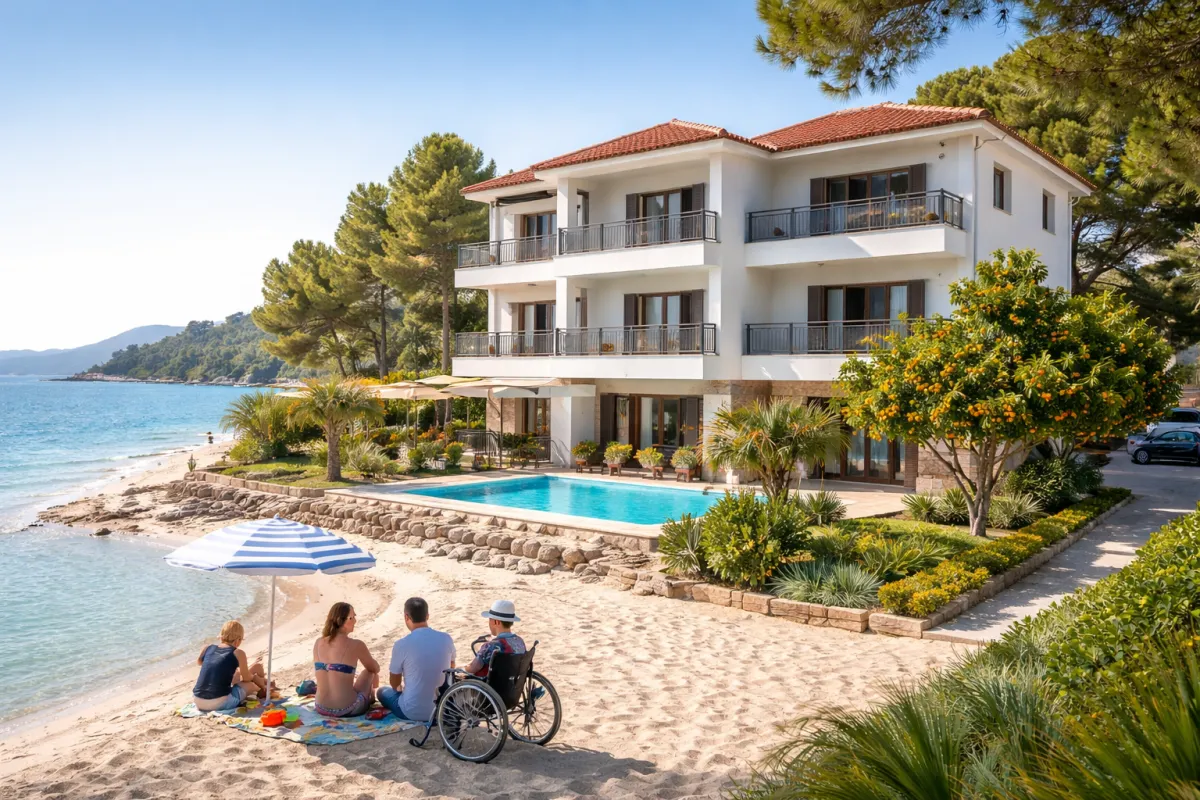
Supporting people living in deep poverty is essential. However, the target group of this project consists of families who function relatively stably, who carry responsibility for others throughout their lives, yet may never experience a holiday—even once.
They are largely invisible. They rarely appear in statistics, they do not ask for help, and they are used to coping.
For them, a holiday is not a reward. It is a necessity.
It does not mean programs or entertainment, but a change of environment. A few days when daily routines, expectations, and constant responsibility no longer dictate every moment.
I strongly believe that rest is not a luxury, but a basic human need—especially for those who care for others. A holiday does not solve all problems, but it can break the cycle of constant strain, create a new perspective, and provide strength for a long time ahead.
The Horizon Apartment Project was created to ease this everyday burden.
How is the goal achieved?
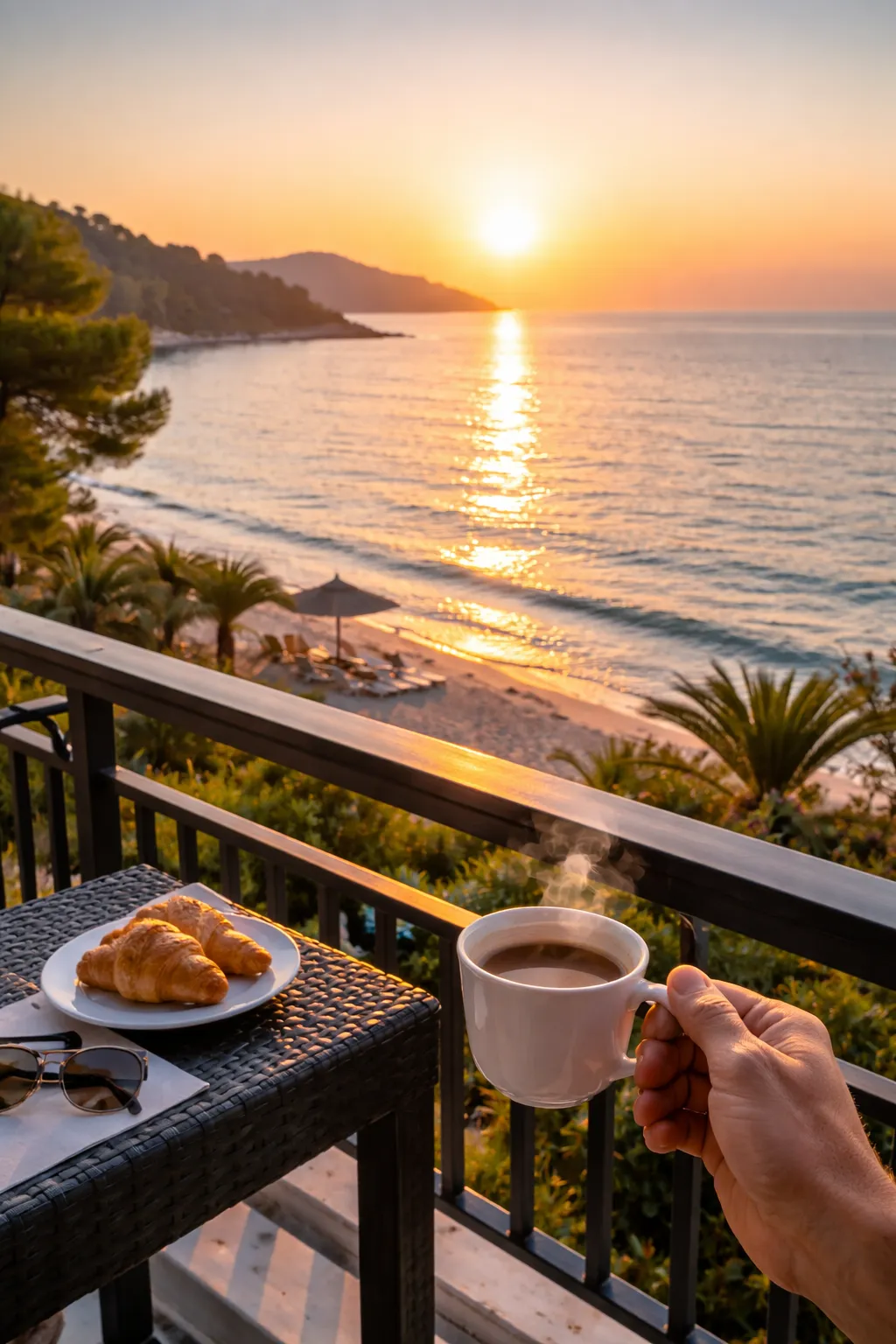
The project is based on the purchase of a seaside apartment house in Croatia, consisting of 4–6 apartments.
Its operation is consciously built on a market-based model to ensure long-term sustainability.
The apartments function as a regular tourism service during the main season and off-season, covering operational costs and providing stable income. This stable foundation makes it possible to offer organized holiday opportunities in the pre- and post-season to families who otherwise would never reach the sea.
These are not occasional discounts, but carefully planned and predictable opportunities that do not endanger the project’s operation.
The aim is not mass tourism, but a family-friendly, personalized, high-quality service with real added value.
Our goal is to provide a truly worry-free holiday—from organization and travel to the return home.
There are no mandatory programs. Families can rest at their own pace. Optional excursions and shared activities are always available, but never expected.
This model is not charity. It is transparent, measurable, and sustainable.
I believe that economic operation and social responsibility do not exclude each other—on the contrary, only models that respect both can work in the long term.
Local involvement is also an important element. Cleaning, maintenance, and smaller services are provided by local individuals and businesses, creating jobs and embedding the project organically into its environment.
Progress Dashboard
Expected impact
On an individual and family level, the project supports mental and emotional regeneration, strengthens family relationships, and provides positive experiences that help participants face future challenges.
On a social level, the project contributes to strengthening a previously under-supported social group, while sensitizing the wider community, drawing attention to invisible burdens, and reinforcing a culture of social responsibility.
On an economic level, the project ensures stable livelihood for the project owner’s family, creates local employment opportunities, and operates as a sustainable, long-term model.
The most important impact, however, cannot be fully measured in numbers.
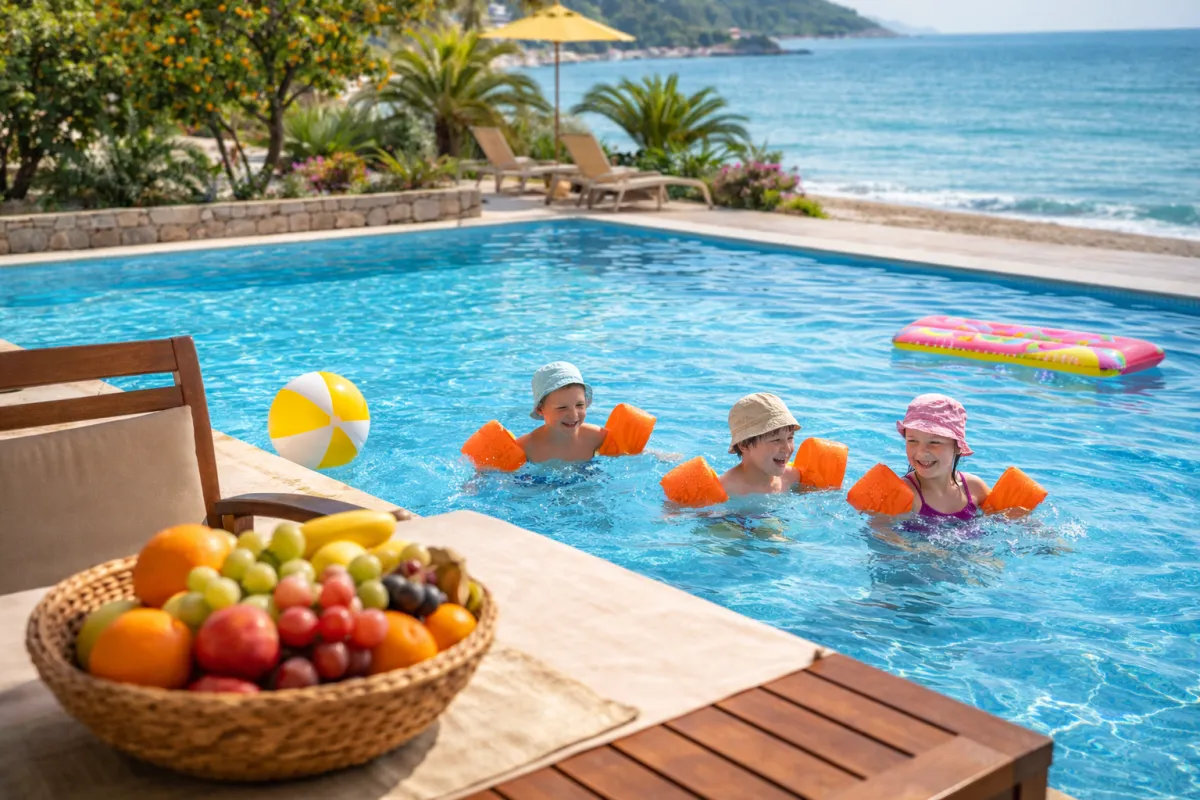
It appears in the moment when a family sees the sea for the first time. When children discover how big and beautiful the world is. When parents can finally rest.
It is felt in the absence of constant scheduling, pressure, and performance expectations. In the freedom to decide, to slow down, and to be present with each other without tension.
I believe these experiences have long-term effects on how families continue their lives and how they see themselves and their possibilities.
Equally important is that they do not become isolated, but stronger in their own inner resources. These experiences confirm that rest is not a luxury, but a necessity—and that there is a place for them in a world where life is not only about performing.
The Horizont Apartment Project demonstrates that market-based tourism and social responsibility are not opposing concepts, but mutually reinforcing ones.
In the long term, this model can serve as inspiration and direction for other initiatives as well.
From May to the end of September, the project is expected to provide services for approximately 300–350 guests on a market basis. In parallel, each year 20–30 families — a total of 80–120 people — will be offered organized, socially supported holiday opportunities during the pre- and post-season periods.
The selection of beneficiary families is carried out on an invitation basis, in cooperation with foundations and national professional networks. Throughout this process, special care is taken to ensure that participating families do not feel exposed or dependent, and that their human dignity is fully respected. All decisions are made through joint professional evaluation involving multiple stakeholders. (per year)
Support This Mission
Reference # QLF2026-26
Thank you for considering this mission. This is what we are doing. This is why it matters.
jOIN US
Observe sentiment via anonymous feedback or contribute to a mission. Choose a project, learn the details, track progress, and contribute to real change.